
From Everywhere to Somewhere: The Digital Nomad's Guide to Landing
How to choose where to live when you can live anywhere
At a cafe, a digital nomad I’ve seen pass through town several times asked me, “how did you decide where to live?”
He works remotely and is choosing between the beach, the mountains, South America, the US, Europe. Or just going home.
I realized he’s about to make the same mistakes I did.
I’ve had 14 years nomading, slomading, expating, going back home, false attempts at settling, living bi-coastal, and finally staying happily in one place for 4+ years.
I know that first ache of craving depth, consistency, and wanting to dig your roots in.
I’ve tried every decision framework and took the most roundabout path. Here’s what I learned about choosing where to live when you can live anywhere.


From Nomading to Home Finding
By 2016, I’d lived the digital nomad dream completely. That summer in Barcelona, I had a group of nomad friends that would have picnics, my online business was printing more money than I could imagine, and I was eating the most delicious set lunches everyday.
But something felt off. My life felt unsaturated. The Iberian ham was tasty but not satisfying. Even my vision had a low-grade vibrancy to it like someone turned the contrast down.
I was riding the surface while I wanted to sink my roots in. I wanted to grow plants and make a space mine, build relationships with people who were sticking around, and create something on the ground that would last longer than 3 months.
After that summer, I entered the arc of finding a home.
And I made my first misstep….
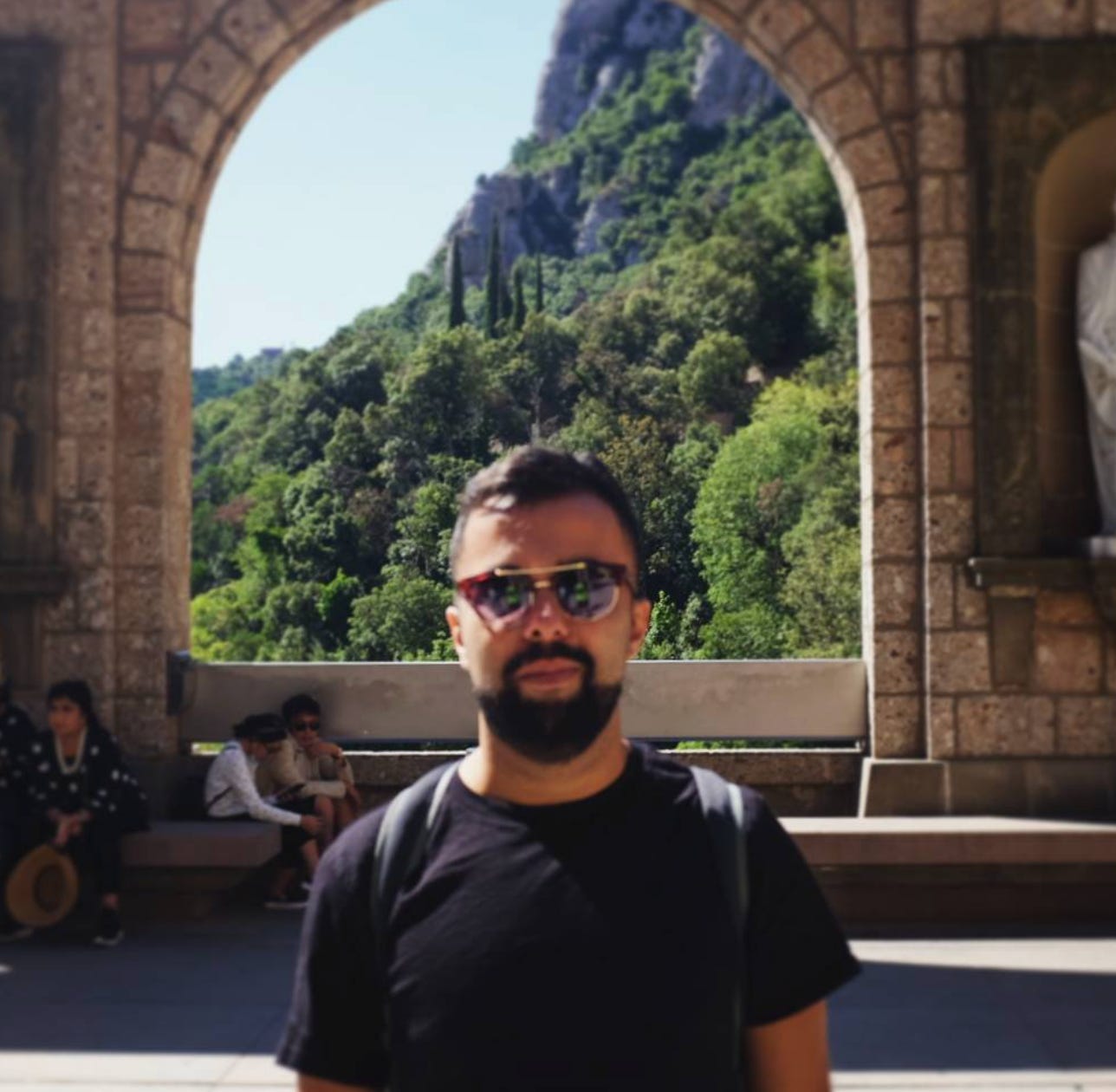
“My life felt unsaturated. Even my vision had a low-grade vibrancy to it. I was riding the surface while I wanted to sink my roots in. “
My First Attempt: Picking a Place From Exhaustion
I decided to move to Austin, Texas. I’d only been there once five years before. I used my notes and pros/cons list, and figured it had good weather and was business friendly. I was under the assumption that home is something you build. I could make any place work.
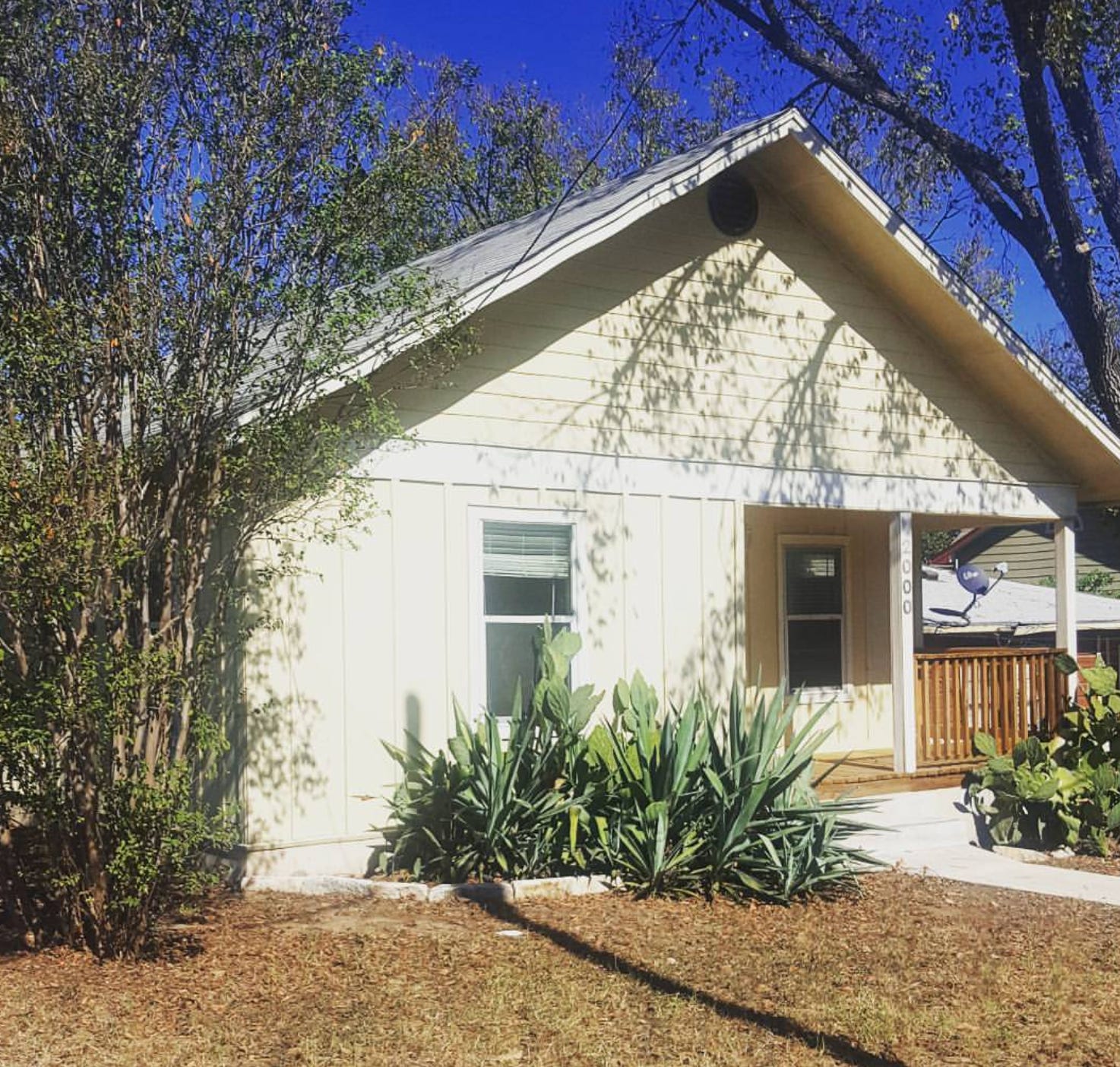
Within a couple weeks, I leased a 3 bedroom yellow house with a backyard, fire pit and an overgrown cactus out front. I hosted weekly potluck dinners, made great friends, and even went two-step dancing on the regular.
While I had great moments there, it was ultimately a flavor of texan americana that was too spread out for me, even after I stubbornly bought a Toyota CRV that I named “Walter.” Once I found out I was deathly allergic to the cedar trees in year two, I was out.
In an exhausted rush, I’d tried to make a place home that wasn’t a natural fit.
But I did learn a lot about what was important to me.
Second Attempt: Hovering and Not Landing
My next attempt was more like “hovering.” I decided I needed a walkable city and regular neighborhood interactions.
I’d acquired a buddy pass with American Airlines through a friend… which meant free unlimited flights on standby!
That led to a couple years rotating between New York City and a cooperative home in San Francisco. What people at the time called being “bi-coastal.”
These years I built amazing friendships with like-minded people, but my life was so frenetic I wasn’t able to sink into either city. I was trying to decide between two places that didn’t work for me. Being between both, I didn’t have to completely choose.
I remember friends commenting that they had no idea whether I was in town or not to invite me over for events. Sometimes I would miss things because I was literally on the flight between coasts.
Eventually, I decided to land in NY and let that high octane creative energy fully in!
Two years was long enough to completely rule out living in NY. I even wrote an article about it: I love NY but my body hates it.
I knew I needed to try something different. Here’s what finally worked…


What Finding a Home Looked Like
When I was ready to leave NY, I first had the impulse to move to upstate in the Hudson Valley, where I’d have access to the city but the peace of a quieter life.
If I’d moved right away, I would have been repeating my mistake of deciding from exhaustion.
Instead, I decided on a month of renting a car and exploring Airbnbs in various towns.
At first, it was glorious. The contrast and relief of being in the woods made me feel borderline ecstatic.
But later that month, I knew it was too disconnected, and the conservative culture wasn’t a fit for me.
I’m glad I tried it out first.
I thought back to my nomad travels and decided to try another experiment: living in Colombia again. I hadn’t been back in years, but I’d lived in Medellín in 2014 and loved it.
I committed to 3 months. Not to decide, but to just be there and work on projects. I started outside the city in a community of cabins, going into Medellín occasionally.
I remember having these slow mindful days that were somehow incredibly productive. I felt physically nourished by weekly salsa classes, laid back interactions, and the sense of possibility in this constantly changing region.
Within the first month, I got a clear signal that I wanted to stay longer.
It wasn’t logical. Colombia isn’t the safest country. The infrastructure isn’t perfect. I’d have to improve my Spanish and deal with the inconveniences of being an expat. Lots of people thought I was crazy.
But I felt great there. I could sense myself waking up and growing. I felt up for the challenge of being bored, sick, and dealing with any other mildly uncomfortable feelings. These challenges felt like things I could improve on over time, not like misalignment.
I made a commitment to stay 6 months. Soon after, I liked it enough to buy a home and make it my own.
About a year in, I was sitting in my bedroom and realized: I CAN just stay here.
It was body melting sensation! A fusion between me and a sense of place that I hadn’t felt since I started nomading. The freedom of getting to stay.
Now it’s been 4 years.
I’m still changing. Colombia is still changing. But it’s continued to feel aligned, and I can now imagine myself here years into the future.
So what made this different from Austin and NY? Here are the lessons that could guide you on your own journey


The Lessons
Lesson 1: Rest Before Deciding
If you’ve nomaded for a while and you’re exhausted and unnourished, you’ll think, “Now is the time to find my home.”
It’s not.
You’re trying to make a long-term decision from a depleted place. You’re picking something based on getting relief rather than looking for alignment. And maybe like me, you’ll try to force something that’s not a fit.
When you’re exhausted, it’s time to rest. Not time to settle into your dream city.
Instead: Pick an environment that’s good for recovery. That might be nature, a co-living community, or going home for a while. Make a 3-6 month commitment just to rest.
From there, you’ll have collected your thoughts, found a neutral point, and maybe received intuitive information on what comes next.
Rest first. Decide later.
“Rest first. Decide later”
Lesson 2: Land Fully, Stop Hovering
Hovering and comparing doesn’t work when you’re trying to land. You’re not giving yourself a chance to be anywhere. You’re setting yourself up for unproductive paralysis and a constant state of dissatisfaction. It’s the opposite of the book, “the power of now”.
Many nomads stay in this zone for years, hovering between 2-3 options, constantly comparing, never present where they are.
And by hovering, they don’t learn about themselves and what they need.
You find the right place by landing somewhere, learning what you need, and exploring with that knowledge. Even though Austin and NY weren’t a fit, I learned about both when I let myself land.
Pick one imperfect place. Commit to BEING there for 3-6 months. Not evaluating it. At the end, notice what you miss, what works, what doesn’t. Use that information to decide to stay longer or move elsewhere.
What about FOMO?
Here’s the truth: you’re always missing out. Whether you stay or go.
During your 3-month experiment, FOMO will come up. Just notice it. Remind yourself you’re not deciding now or giving up anything. You’ve committed to a few months in one place.
The important part is not to act on it. Don’t buy tickets to an event halfway around the world.
This is especially hard because you have friends scattered across the continents. You’re getting invited to Carnival, a conference in Spain, a birthday in Asia. But staying still can offer you more novelty when you’ve been on the go for many years.
What you’d truly miss out on is the chance to evolve in a place and see what you like. FOMO doesn’t completely go away. But I can promise you it gets better once you sink into a place.
“You’re always missing out. Whether you stay or go. Pick one imperfect place.”
Lesson 3: Decide With Your Feet On The Ground
Choose a place when you’re physically there. If you’re thinking about moving somewhere, go there to make the decision.
This is especially true if you’ve never been and used something like ChatGPT to come to your conclusion. But it’s also true if you HAVE been there before. Cities are evolving creatures.
Warning: It’s easy to fall in love with the cerebral idea of things in the rear view mirror. If you’ve left a place and you’re deciding to go back, only make commitments after going back and settling in for a couple weeks.
With your feet on the ground after a few weeks, you can ask: Do I like who I am here? Can I ride the waves of life and grow here?
Decide to move to a place with your feet on the ground.
Lesson 4: Choose Your Challenges
Most nomads ask: “Where will I be happiest?”
A better question: “Where am I okay dealing with the challenges of life?”
Every place will test you. Where do those challenges feel like a manageable part of your growth and service rather than a sign you’re in the wrong place?
I remember getting COVID in my one-bedroom Brooklyn apartment. Sick, stuck inside, and all I could think was: I cannot imagine schlepping to a New York hospital under any circumstance. The thought of leaving my apartment was often debilitating.
In Colombia, when I face challenges (and no joke, there are many!) it feels different. They’re tradeoffs I’m willing to work through. Part of building something in a foreign country.
The question isn’t which place has no downsides. It’s which place’s challenges feel manageable or even useful to your growth.
Where can you imagine yourself sick, frustrated, and you know you can make it through and want to stay?
That could be your place.
“The question isn’t which place has no downsides. It’s which place’s challenges feel manageable or even useful to your growth.”
Lesson 5: Nothing Is Permanent
Many nomads fear being trapped. Leaving their travels behind means potentially going back to a life they worked hard to escape. But choosing a home doesn’t mean picking something forever.
Here’s why:
Cities change. (Austin in 2016 was empty. Now it’s packed.)
You change. (Finding the perfect place is a moving target.)
You can still travel AND have a home.
You can choose again at any time.
4 years living in Colombia, I still travel at least 2 months a year. This year I went to San Francisco, New York, Lisbon, Budapest and Cairo. I loved every bit of the trip and was stoked to come home every time.
While love living where I am now, the longer I stay, I also feel more prepared to create my next home when that time comes.
When you choose a place, you choose it for now, not forever. Both you and the city will change.
Build around the trade-offs. Whatever home base you pick won’t be perfect. It will have trade-offs. But you can be strategic and find ways to improve on what’s missing.
For example, I knew in Medellín I’d get the benefit of a relaxed international lifestyle, Latin culture, and year-round beautiful weather. But I guessed my ambitious side would suffer.
So I started a WhatsApp group for entrepreneurs in town. It slowly grew to about 80 people, and I hosted quarterly dinners. Since then, the international business scene has kept growing and I’m constantly challenged and inspired by new people I meet.
In your case, the city you pick may be amazing for your life’s work but also really chaotic. A way to mitigate that: find a monthly weekend getaway or spend time in calmer spaces. When I was in NY, I took a weekly sauna session. It became non-negotiable for me being in the city.
Find a way to build around and improve what’s missing.
“When you choose a place, you choose it for now, not forever. Both you and the city will change.”
The Nomad’s Guide to Landing
Let’s sum this up:
Rest before deciding. If you’re exhausted, find somewhere to rest first.
Land somewhere imperfect. Pick one place for 3-6 months and learn.
Stop evaluating constantly. Sink into one place. Notice FOMO without acting on it. Evaluate only at the end.
Be there physically. Choose a place when you’re physically there.
Ask where you’re okay facing challenges. Not where you’ll be happiest.
Build what’s missing. Minimize downsides and improve on trade-offs.
Nothing is permanent. You can always choose again.
That café conversation stays with me. I was also looking for someone to give me the answer. I would have loved these tips back then.
But here’s the thing: let life be a little messy. It’s part of the fun! You can choose a place just because it feels great at the time - making mistakes is part of it.
Finding a home is as grand of an adventure as leaving your home!
If you have a nomad in your life on their “finding a home base arc,” feel free to forward this along.
This post came at the perfect time. I’ve been reading Nomad Capitalist, and it talks a lot about choosing what he calls your base cities which this sort of ties into. Great read if you see yourself as someone who lives and thinks globally!
I love this article! My boyfriend and I are nomading, and we haven’t decided where to go or what to do after. A part of why we are doing this period is to decide that and if been saying let’s go back to his hometown while having only been a few days. I totally see experimenting as being crucial before deciding. Thanks for writing this